When You’re Applying for a Design Role
Like me, you’ve probably spent hours sweating over your portfolio. Every pixel polished, every word weighed, and obsessive formatting that almost nobody will ever notice. Guilty!
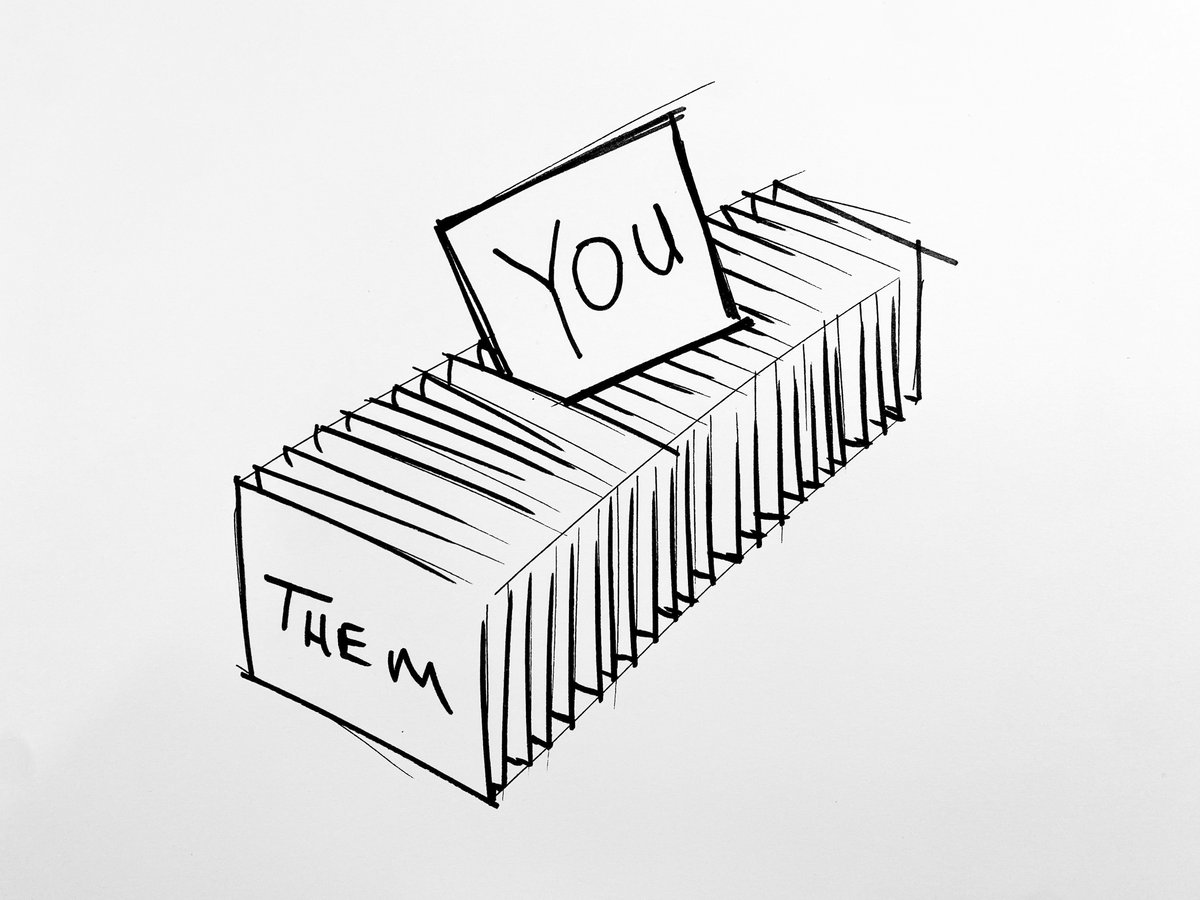
But here’s the uncomfortable truth: your portfolio isn’t really about you. It’s about how you make someone else feel.
I’ve reviewed thousands of portfolios over the years — sometimes hundreds for a single role — and only a handful ever stick in my mind. Most are credible, tidy collections of projects and awards, clearly made by talented people. But they often miss one thing: empathy for the person on the other side of the screen.
When I’m reviewing, I’m not just taking in execution or taste. I’m asking:
• Do I understand how this person thinks?
• Would they add energy to my team?
• Would I enjoy solving problems with them every day?
The best portfolios help me feel those answers before I even meet the person.
⸻
What Goes Wrong
A lot of designers treat their portfolio like a trophy case — a shrine to what they’ve done. Being confident is good, but if that’s all there is, the impression may be unexpected: interviewers might think the applicant feels, “I need to prove I’m good enough.”
The result? A wall of trophy outcomes with very little humanity.
Real confidence comes from purpose, not ego.
Overstating achievements is a common trap, and good interviewers can spot it instantly. It doesn’t read as confidence; it reads as insecurity — and worse, self-focus. It says, this person’s energy is on themselves, not on the work or the team.
You don’t need to perform; you just need to be present. The moment you stop worrying about how you’re perceived, you start creating with freedom. You may not know what it is yet, but it’s good to start with your “why.”
So get out of your own way. Be comfortable, be yourself, and enjoy what you’re doing — it will shine through.
⸻
What Really Matters
Here’s the truth: we don’t hire “good designers.” We hire good people who design well.
Design is a team sport. You might be great with tools, but if you can’t bring people with you — marketing, engineering, leadership, whoever — you won’t create much impact.
That’s why collaboration and empathy matter more than ever. Convincing a partner to focus on the right user problem is an achievement. Helping others shine is an achievement. These are the invisible wins that tell me you’re not just skilled — you’re capable of elevating everyone around you.
When you show that, you stand out immediately. You’re no longer just a candidate needed to backfill; you’re a bankable investment — someone who’ll grow and add value long after the first project ends.
You want interviewers to register your potential, not just your qualifications.
⸻
How to Show It
Let’s be clear: technical skills still matter. Fluency with tools is your ticket in. But once you’re through the door, it’s the story you tell that makes people remember you.
A strong portfolio shows how you think and why you made the choices you did. Tell short stories — moments where you learned something, discovered an insight, or changed direction. Show how you worked with others, what you prioritised, and how you handled trade-offs.
If something went wrong, tell us what you learned. It’s much more authentic than perfection.
Show your process, but keep it human. Include sketches, or photos of you testing and collaborating. Let us see you enjoying the work — a true spark of curiosity or joy is contagious.
If you’re early in your career, don’t worry about not having big commercial projects. Pick stories that show behaviour and attitude — how you work, not just what you’ve produced. We’re looking for confidence through energy, humility, and curiosity, not a finished portfolio of global launches.
⸻
A Quick Word on Balance
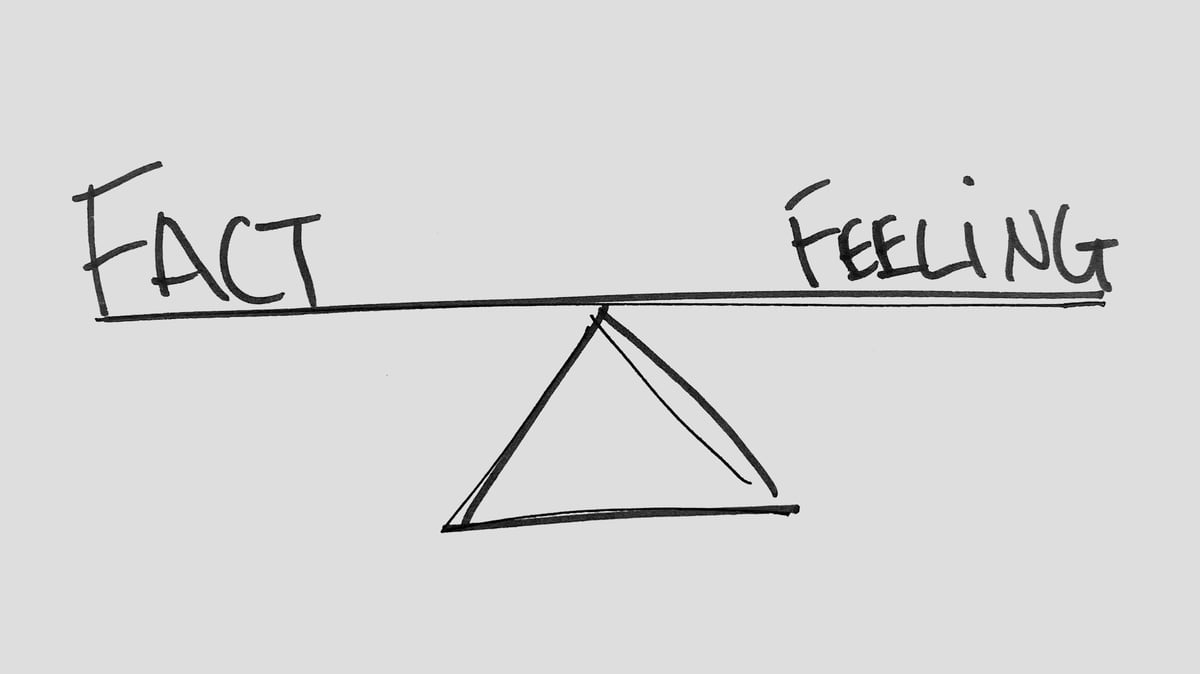
Think of your portfolio like a good conversation: half facts, half feeling.
Yes, show polish — we want to see you know your craft. But don’t let it drown out your personality. A few rough edges or honest reflections can do more for you than a hundred perfect renders.
And please, don’t copy the portfolio style of the day or feel tied to the latest presentation tool. It can be like wearing someone else’s clothes to an interview — you protect your modesty, but it never quite fits. Make it true to you.
⸻
What I’d Tell a Mentee
If we were working together, the first thing I’d tell you is this: relax. You don’t need to prove you’re extraordinary — you just need to show who you are when you’re doing your best work.
Find a few stories that show you collaborating, thinking, failing, and learning. Show your process — how you transition complexity into simplicity. That’s where your maturity shows up.
We’re all looking for people who make the team better.
Your goal isn’t only to impress; it’s to connect.
⸻
Final Thought
A great portfolio is a conversation starter. It says, Here’s what I care about. Here’s how I work with people. Here’s how I can grow with you.
That’s what interviewers remember — not the perfect layout or the fancy mock-up, but the sense that everyone will be better with you in the team.
The hidden bonus? If your deck feels true to you and you don’t end up getting that job, you’ll know it wasn’t right for you. And that’s a win too.
So tell your story honestly. Show your skills and thinking clearly. And let your personality do the rest.
⸻
Tags:
#designcareers #mentorship #portfoliotips #empathy #collaboration #growthmindset #authenticity