You probably remember it from swim class or school field trips - one person watches out for another, and both stay safer because of it. But the same principle that keeps kids from wandering off at the zoo also happens to be one of the most underrated tools in professional development.
I have seen this play out across over 12,000 mentorships on MentorCruise. When people have someone walking alongside them, they move faster, stay consistent, and actually follow through on the goals they set. This guide covers how buddy systems work, why they succeed (and fail), and how to set one up so it delivers real results - whether that means finding a peer accountability partner or investing in a long-term mentorship relationship.
Why Work With a Buddy System
The buddy system works because it attacks the single biggest obstacle in professional growth - isolation. When you are trying to build new skills, switch careers, or push through a plateau, going it alone means no one catches your blind spots, no one pushes you when motivation fades, and no one holds you accountable for the commitments you make to yourself.
TL;DR - A buddy system pairs two people for mutual support, accountability, and faster skill development - Peer buddy systems are free but depend on mutual commitment; structured mentorship adds expertise and costs $120-450/month - The best professional development combines peer accountability (buddy system) with expert guidance (mentorship) - Look for communication compatibility, reliability, and willingness to give honest feedback in any buddy or mentor - Free trial sessions let you test mentor fit before committing; cancel anytime if it is not working - People with structured support systems consistently progress faster than those working alone
The Psychology Behind Pairing Up
Social learning theory explains why people learn more effectively when they observe and interact with others rather than studying in isolation. A buddy system formalizes that interaction. Instead of consuming content passively - reading books, watching courses, skimming articles - you have a real person to discuss ideas with, test assumptions against, and get honest feedback from.
The buddy system meaning goes beyond just "having a partner." It is a structured arrangement where two people commit to supporting each other's progress through regular contact and mutual accountability. The concept has roots in the military, where the buddy system was developed to ensure no service member operates alone in high-risk situations. The Marines buddy system, for instance, pairs every Marine with a battle buddy from day one of training - the idea being that two sets of eyes, two sets of instincts, and shared responsibility keep everyone sharper.
That same principle transfers directly to professional development. You do not have to manage career transitions, skill gaps, or strategic decisions by yourself.
How Isolation Holds You Back
Here is what most people underestimate: struggling to learn new skills alone without a support system is not just slower. It is demoralizing. You hit a wall, have no one to talk through it with, and start questioning whether you are even on the right track.
I realized the students who succeeded were not necessarily smarter - they had better networks. They knew professors, had family in industry, got internships through connections. I did not have that network. I had to build one from scratch. That is when I understood mentorship as infrastructure, not luxury.
Feeling isolated in career development without guidance or peers is one of the most common reasons people stall. A buddy system - whether peer-based or mentor-led - breaks that cycle by giving you someone who understands your context and cares about your progress.
Buddy System vs. Mentorship Program Differences
A buddy system and a mentorship program overlap, but they serve different functions. In a peer buddy system, two people at roughly the same level support each other. The relationship is mutual and the power dynamic is flat. In a mentorship program, someone with more experience guides someone with less, and the knowledge flow is primarily one-directional.
So which is better for career development - a buddy system or coaching? It depends on what you need. If you need accountability and shared perspective, a peer buddy works. If you need someone who has already solved the problems you are facing, a mentor is more efficient.
The best professional development often combines both. A peer buddy keeps you honest and consistent. A mentor provides the expertise, shortcuts, and pattern recognition that only come from experience. On MentorCruise, our long-term mentorship relationships are designed to deliver both - ongoing accountability paired with expert guidance, not just one-off calls.
What to Expect From Buddy System Sessions
A well-structured buddy system involves regular check-ins, shared goals, and honest feedback loops between two committed people. The format matters less than the consistency - weekly video calls, biweekly coffee chats, or daily async messages all work depending on what fits your life.
How Does a Buddy System Work in Professional Development
In professional settings, the buddy system typically follows a straightforward structure. You and your buddy agree on goals, set a cadence for meetings, and create space for both structured discussion and informal conversation. Some pairs prefer weekly 30-minute calls focused on specific objectives. Others do better with daily async messaging - sharing wins, blockers, and quick questions as they come up.
What is the buddy system in mentoring specifically? It is when a mentor-mentee pair builds a rhythm that mirrors the buddy dynamic: regular contact, mutual investment, and ongoing support rather than one-off advice. The mentoring relationship adds a layer of expertise that peer buddy systems lack, but the foundation of consistent check-ins and accountability is the same.
On MentorCruise, every mentorship includes async messaging between sessions, so the relationship does not stop when the call ends. Many of our most active mentor-mentee pairs communicate several times per week. That ongoing contact is what makes the buddy system effective in mentoring - it is not about any single session. It is about the accumulation of small interactions over time.
Real Examples of the Buddy System in Action
The buddy system shows up everywhere once you start looking. In education, students paired for study groups consistently outperform solo learners - the buddy system in education has been studied extensively and the results are clear. In workplaces, buddy systems for new employees reduce first-year turnover and cut time-to-productivity. In professional development, accountability partners help people follow through on certifications, job applications, and skill-building commitments.
One of our mentees, Marcus, felt stuck at junior level despite strong technical skills. His MentorCruise mentor identified the gap - visibility and communication - and coached him through stakeholder management. Marcus earned his senior promotion in 14 months, half the typical timeline at his company. That is the buddy system at its best: someone who sees what you cannot see about yourself and helps you bridge the gap.
Sarah had a similar experience from a different angle. She had been trying to break into product management for two years with no success. Her mentor helped her reframe her engineering experience as PM-relevant, coached her through case interviews, and connected her with hiring managers. She landed her first PM role within 4 months. Without that structured support, she might still be stuck applying the same way to the same types of roles.
What Disadvantages Does the Buddy System Have
The buddy system has real limitations, and ignoring them sets you up for disappointment. The most common reason buddy systems fail in professional settings is mismatched commitment. If one person shows up prepared while the other treats check-ins as social calls, resentment builds and the relationship stalls.
Other disadvantages include dependency (relying too heavily on your buddy instead of developing independent judgment), personality clashes that go unaddressed, and lack of structure. Showing up to a call without goals, without an agenda, and without follow-through turns a productive practice into wasted time.
A buddy system also does not replace deep expertise or structured training. If you need to learn a programming language, a buddy will not teach you syntax - but they will keep you accountable for finishing the course you signed up for. If you need strategic career advice, a peer at your same level may not have the answers. That is where formal mentorship fills the gap.
How to Choose the Right Buddy System Approach
Start by getting clear on what you actually need, because a buddy for accountability looks very different from a buddy for expertise, and both look different from a formal mentor.
Setting Up an Effective Buddy System for Skill Development
If you want to set up a buddy system yourself, the process is simpler than most people think. First, identify what you want to accomplish. Vague goals produce vague results. "Get better at data analysis" is not a buddy system goal. "Complete the Google Data Analytics Certificate by June and build three portfolio projects" gives you something concrete to track.
Second, find the right person. Your buddy should be someone who is working toward a compatible goal, communicates in a way that works for you, and takes commitment seriously. Industry friends, professional community members, and former colleagues are good places to start.
Third, set the structure. Agree on a meeting cadence (weekly is ideal for most people), define how you will track progress, and establish ground rules for honesty. The best buddy relationships are the ones where both people feel safe saying "I did not do what I said I would do this week."
Fourth, review and adjust. Every month or so, check in on whether the arrangement is working. If it is not, change the format, increase or decrease frequency, or find a new buddy. Sticking with a dysfunctional partnership out of obligation defeats the purpose.
What to Look For in a Buddy or Mentor
Whether you are seeking a peer buddy or a mentor, a few qualities matter more than impressive credentials.
Communication compatibility. You need someone whose style matches yours. Some people want direct, blunt feedback. Others need more encouragement. After facilitating over a thousand mentor-mentee matches, I have seen that communication style alignment predicts success better than expertise match alone.
Reliability. The entire buddy system relies on showing up. If your buddy cancels, reschedules, or goes quiet between sessions, the whole structure falls apart.
Relevant context. Your buddy does not need to work in your exact field, but they should understand your world well enough to give useful feedback. A marketing professional paired with an engineer can work - if both are working through similar career stages or challenges.
Willingness to be honest. The buddy system breaks down when people are too polite to give real feedback. The best buddies and mentors tell you what you need to hear, not what you want to hear. We look for mentors who talk about their mentees, not themselves. That humility is a better predictor of success than any accolade.
How to Find a Buddy or Mentor for Professional Development
Finding a buddy organically can be hit or miss. You might get lucky through your professional network, online communities, or workplace programs. But if you want the expertise dimension alongside accountability - someone who has already worked through the challenges you are facing - a structured platform takes the guesswork out of matching.
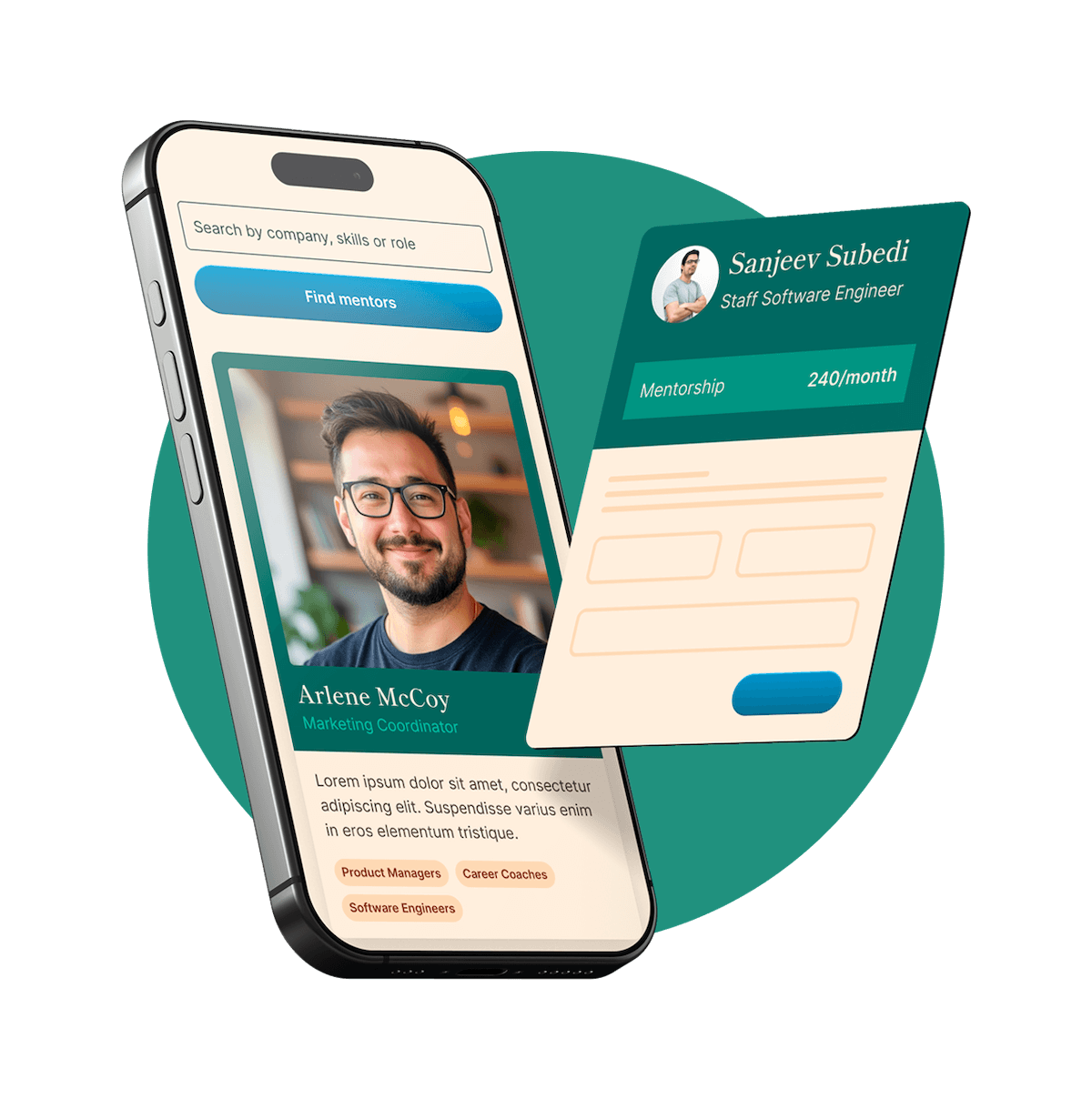
On MentorCruise, we accept fewer than 5% of mentor applicants because quality matters more than quantity. Every mentor has been vetted for expertise, communication skills, and mentoring track record. You can find a career mentor across dozens of specialties, from leadership mentoring programs to career development mentoring and team building coaching sessions.
You start with a free trial session to test the fit before committing a cent. And if it is not right, you cancel anytime - no long-term contracts, no awkward breakups.
Buddy System Costs and Investment
A peer buddy system costs nothing in terms of money - you just need to find the right person and commit to the structure. But if you want expert guidance alongside accountability, investing in a mentorship relationship changes the math entirely.
What Informal Buddy Systems Cost
Zero dollars. The cost is time and commitment. You will spend 30 to 60 minutes per week on check-ins, plus time between sessions working on your goals. The challenge with free arrangements is that without financial commitment, it is easy for one or both people to let things slide. There is no cost to canceling, which means there is less incentive to prepare.
That does not make informal buddy systems worthless - far from it. But it does explain why so many of them fizzle out after a few weeks. The accountability only works if both people treat it seriously.
What Structured Mentorship Costs
Professional mentorship through MentorCruise starts at $120 per month, which is about 70% cheaper than comparable coaching rates that often run $300 to $500 per hour. That monthly subscription includes regular sessions, async messaging between calls, and ongoing access to your mentor's expertise.
The subscription model matters. Unlike hourly coaching where the meter is always running, a monthly structure encourages longer conversations, follow-up questions, and the kind of organic check-ins that make the buddy dynamic effective. You are not paying per interaction - you are investing in a relationship.
Our mentors maintain a 97% satisfaction rate with a 4.9 out of 5 average rating across thousands of reviews. That quality comes from selectivity: fewer than 5% of applicants make it through our vetting process, which includes application review, portfolio assessment, and mentoring ability evaluation.
Evaluating the ROI
The return on a buddy system or mentorship depends entirely on what you put in. But the evidence is consistent: people with structured support systems progress faster than those working alone.
Andre's story makes this concrete. His startup was struggling to find product-market fit. His MentorCruise mentor, a former YC founder, helped him pivot his positioning. Eight months later, Andre closed $500K in revenue - his first profitable year. That is a compelling return on a monthly mentorship investment.
If you are feeling isolated in your career development, struggling without guidance or peers to push you forward - that isolation is already costing you. The question is not whether a buddy system or mentor is worth the investment. It is what staying stuck is costing you right now.
Ready to find the right match? Get matched with a mentor and start with a free trial session.
Frequently Asked Questions
How much does a buddy system cost?
An informal buddy system between peers is free - you just need to find someone committed to regular check-ins and mutual accountability. Structured mentorship through MentorCruise starts at $120 per month, which includes ongoing sessions and async messaging between calls. Traditional coaching typically runs $300 to $500 per hour, making subscription-based mentorship significantly more affordable for long-term support.
How do I know if I need a buddy system?
You probably need a buddy or mentor if you feel stuck in your current role, you are learning new skills but struggling with consistency, you lack honest feedback on your work, or you are working through a transition without support. If you have been setting goals and not hitting them, external accountability is likely the missing ingredient. The buddy system works best when you have clear objectives but need structure and another person to help you stay on track.
What should I look for when choosing a buddy or mentor?
Communication compatibility should be your top priority - find someone whose feedback style matches how you best receive information. After that, look for reliability (they actually show up), relevant context (they understand your challenges), and willingness to give honest feedback rather than empty encouragement. On MentorCruise, you can use a free trial session to test the fit before committing, and you can cancel anytime if it is not the right match.
How long until I see results from a buddy system?
Most people notice a difference within the first few weeks - increased accountability, better follow-through on goals, and clearer thinking from regular check-ins with someone who knows their situation. Measurable career outcomes like promotions, new roles, or revenue growth typically take 3 to 6 months of consistent engagement. The key variable is showing up regularly and doing the work between sessions.
What is the difference between a buddy system and formal mentorship?
A buddy system pairs peers for mutual support and accountability, with both people at roughly the same level helping each other. Formal mentorship pairs someone less experienced with someone more experienced, where guidance flows primarily from mentor to mentee. The best professional development combines both: peer accountability plus expert guidance. MentorCruise's long-term mentorship model bridges this gap by building ongoing relationships that include both structured sessions and async check-ins - not one-off calls.
Can a buddy system replace professional coaching?
A peer buddy system provides accountability and shared perspective, but it cannot replace the expertise and pattern recognition that come from working with someone more experienced. Think of it this way: your buddy can help you stay consistent, but a mentor or coach can tell you whether you are being consistent about the right things. For many professionals, the best approach is combining peer support with expert mentorship.
Does the buddy system work for remote professionals?
Remote professionals often benefit from buddy systems even more than office-based workers, because they face greater isolation by default. Many of the most effective mentorship relationships on MentorCruise happen entirely online through video calls and async messaging. The flexibility of remote buddy systems actually makes them easier to maintain - no commuting to meetings, no scheduling around shared office time, and the ability to exchange quick messages whenever a question comes up.