Master your next Healthcare interview with our comprehensive collection of questions and expert-crafted answers. Get prepared with real scenarios that top companies ask.






Prepare for your Healthcare interview with proven strategies, practice questions, and personalized feedback from industry experts who've been in your shoes.
Thousands of mentors available
Flexible program structures
Free trial
Personal chats
1-on-1 calls
97% satisfaction rate
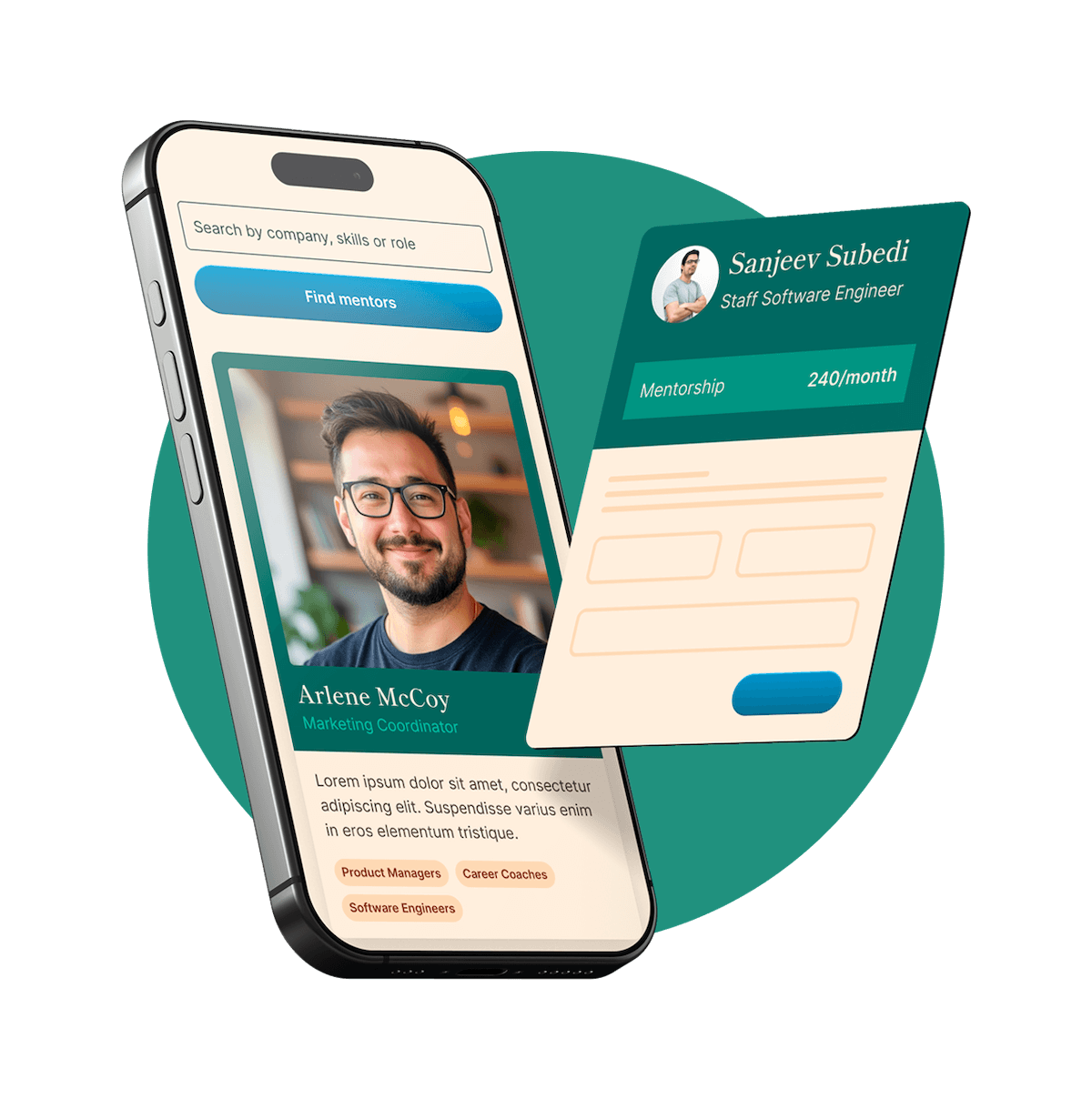
Choose your preferred way to study these interview questions
I’d answer this by naming the settings, your scope, and one or two strengths you brought to each.
For example: - I’ve worked across acute care, outpatient, and long-term care, so I’m comfortable adapting to different patient needs and workflows. - In hospital settings, I handled fast-paced patient care, collaborated closely with nurses, providers, and case management, and stayed focused on safety and timely communication. - In clinics, I supported more routine, preventive, and follow-up care, with a strong emphasis on patient education and efficient flow. - In long-term care or home health, I built rapport over time, noticed subtle changes in condition, and worked with families and caregivers to support continuity of care. - Across all settings, my strengths have been teamwork, compassion, documentation, and staying calm under pressure.
I handle high-stress situations by falling back on a simple approach: pause, prioritize, communicate, and act. In healthcare, stress is part of the environment, so staying calm means focusing on what the patient needs most in that moment and not letting emotion drive the next step.
A strong way to answer is with a quick example using situation, action, result: - In a busy shift, I had multiple patient needs hit at once, including one patient whose condition changed suddenly. - I took a breath, assessed urgency, handled the immediate safety issue first, and delegated what I could. - I kept the team updated with clear, concise communication so everyone knew the plan. - After things stabilized, I documented carefully and reflected on what worked. - That approach helps me stay calm, protect patient safety, and stay effective under pressure.
I’d answer this with a quick timeline, then the patient populations, then one line on what you learned from each setting.
For example: - I have experience in outpatient primary care, inpatient med-surg, and care coordination, which gave me a strong view of the patient journey. - I’ve worked with adult and geriatric patients most often, including those with chronic conditions like diabetes, hypertension, COPD, and heart failure. - I’ve also supported underserved populations, including patients with language barriers, limited health literacy, and transportation or insurance challenges. - In each setting, I focused on patient education, clear communication, and helping patients follow care plans safely. - That mix helped me become adaptable, compassionate, and comfortable working with diverse patient needs.
Try your first call for free with every mentor you're meeting. Cancel anytime, no questions asked.

I focus on habits, not just rules, because privacy is built into everyday behavior.
In an interview, it also helps to mention that HIPAA compliance is about protecting trust, not just avoiding penalties. If you have an example, add a quick one, like catching a misdirected fax or stopping a hallway conversation before patient identifiers were mentioned.
I’d answer this by naming the systems, showing how you used them in workflow, and tying it to accuracy, efficiency, and patient safety.
For example: I’ve worked with EHR platforms like Epic and Cerner for chart review, documenting assessments, updating medication and allergy lists, entering or processing orders per protocol, and coordinating care across the team. I’m also comfortable with clinical documentation tools for progress notes, discharge paperwork, and secure messaging. In my last role, I focused on timely, accurate charting and double-checking details to support compliance and reduce errors. If I’m learning a new system, I pick it up quickly by practicing common workflows and asking smart questions early.
I use the two-identifier standard every time, usually full name and date of birth, and I compare that directly to the wristband, MAR, and the order. I also ask the patient to state the information rather than confirming it for them.
If I’m giving medication or treatment, I also verify allergies, check the right medication, dose, route, time, and make sure it matches the provider order. If the patient can’t respond, I confirm with the wristband, chart, and caregiver or another staff member per policy. If anything doesn’t match, I stop, clarify first, and only proceed once it’s fully resolved.
I’d answer this with a quick STAR structure: situation, what I noticed, how I advocated, and the result.
On a med-surg unit, I cared for an older patient with limited English who kept nodding during discharge teaching, but it was clear she did not really understand her new medications. I paused the discharge, requested a certified interpreter instead of relying on family, and asked the provider and pharmacist to re-explain the plan in simple terms. I also confirmed transportation and follow-up because those were barriers too. After that, the patient could teach back the medication schedule correctly, and the family felt more confident. What I learned is that advocacy is often catching gaps early and speaking up respectfully so the patient gets safe, equitable care.
What drew me in was the mix of purpose and problem solving. Healthcare lets you make a real difference in someone’s day, sometimes in a life changing moment, while also using clinical judgment, teamwork, and communication. I’ve always been motivated by work that matters, and this field gives you that every shift.
What keeps me going is the human side of it. Even on hard days, small wins matter, helping a patient feel heard, catching a detail that improves care, supporting a family, or being a steady teammate. I also like that healthcare keeps you growing. There’s always something new to learn, and that combination of impact, connection, and continuous improvement keeps me engaged.

Get personalized mentor recommendations based on your goals and experience level
Start matchingI’d answer this by showing a clear system: prioritize by acuity, communicate early, and use safety checks even when the unit is busy.
For example, on a heavy med-surg shift, I had one patient with new shortness of breath while another needed discharge teaching. I addressed the breathing change first, called for help, got vitals and oxygen started per protocol, then handed discharge education to a teammate temporarily. That kept the unstable patient safe without losing track of the rest of the assignment.
I focus on a simple routine: document in real time when possible, verify before I finalize, and stay consistent with the charting standards. In healthcare, small details can affect safety, billing, and continuity of care, so I treat documentation as part of patient care, not just paperwork.
For example, if a medication dose looked inconsistent with the order, I would pause, verify it with the nurse or provider, and correct the chart before moving on.
I’d answer this with a calm, safety-first structure: assess fast, stabilize, escalate, communicate, document.
Example: if a patient suddenly became short of breath, I’d assess, raise the head of bed, apply oxygen per protocol, call rapid response, and report concise findings immediately.
I’d answer this with a quick STAR story: situation, what made communication hard, how you simplified it, and the result.
In one role, I cared for an older patient newly diagnosed with heart failure who was overwhelmed by the term and scared he was “dying.” I sat down with him and his daughter and explained it in plain language, saying his heart was not pumping as strongly as it should, so fluid was backing up and making it harder to breathe. I avoided medical jargon, used his medication schedule and low-sodium diet as concrete next steps, and asked him to repeat the plan back to me. That teach-back showed me what needed more clarification. By the end, both felt calmer, followed the plan, and the daughter said it was the first explanation that really made sense.
I handle these conversations by slowing down, staying present, and balancing empathy with clarity. A strong way to answer is: acknowledge emotion first, assess understanding, give honest information in simple language, and close by confirming the plan and support.
For example: - I start with, “I can see this is really hard,” so people feel heard before details. - I use open-ended questions, like, “What’s your biggest concern right now?” - I avoid jargon and explain what to expect around symptoms, comfort, and next steps. - I allow silence, because families often need a moment to process. - I make sure they know we are not abandoning them, we are shifting the focus to comfort, dignity, and support.
The goal is compassionate, honest communication that helps patients and families feel informed and cared for.
I work best in team-based care, where everyone brings a different lens to the patient. My approach is simple, communicate clearly, respect each discipline’s expertise, and keep the shared goal on safe, patient-centered outcomes.
For example, in a prior role I helped coordinate care for patients with complex discharge needs. I collaborated with physicians on the plan of care, nurses on daily status changes, therapists on mobility and rehab goals, social workers on psychosocial barriers, and case managers on placement and insurance needs. I made sure updates were timely, concerns were escalated early, and everyone had the same information. That teamwork helped prevent delays, reduced confusion for patients and families, and supported smoother transitions of care.
I’d answer this with a quick STAR story: name the risk, what you noticed, what you did right away, and the outcome.
On a med-surg unit, I noticed a patient’s heparin infusion was running, but the documented weight used to calculate the dose looked outdated after a significant fluid change and transfer. The order itself wasn’t technically wrong, but the dosing basis might have been. I paused and verified the most recent weight, reviewed the protocol, and brought the concern to the RN and pharmacist immediately. The dose was adjusted before the next rate change, and we increased monitoring. The patient had no bleeding complications. What mattered most was staying observant, speaking up early, and treating a small discrepancy like it could become a real safety issue.
My process is very structured, because consistency prevents errors.
For example, if a dose looks off based on renal function or vitals, I pause, verify the order, and contact the provider or pharmacist before giving anything.
I build trust by slowing things down and showing patients I’m on their side, not just trying to get compliance. The goal is to understand what’s driving the behavior, fear, confusion, past bad experiences, cultural beliefs, cost, or feeling unheard.
For example, with a diabetic patient missing appointments, I learned transportation and medication cost were the real barriers. We adjusted the plan, connected them with resources, and attendance improved because the care felt doable.
I stay current by building it into my weekly routine, instead of treating it like a one-time training task.
That approach helps me stay compliant, practical, and patient-centered.
I’d answer this with a quick STAR structure: situation, what risk you noticed, the action you took, and the patient-safe outcome.
On a med-surg unit, I reviewed a new order and noticed the insulin dose looked much higher than the patient’s usual regimen, and it didn’t match their blood glucose trend. Before administering it, I paused, rechecked the MAR, recent labs, and the provider’s note, then called the pharmacist and provider to clarify. It turned out the intended dose had been entered incorrectly during order entry. The order was corrected before administration, the patient avoided a likely hypoglycemic event, and I documented the clarification. What I’d emphasize is staying calm, following the safety process, and speaking up immediately, even when the unit is busy.
I look for trends that suggest the patient is becoming unstable, especially changes in airway, breathing, circulation, neuro status, and overall work of illness.
I also care a lot about trajectory. A patient with borderline vitals who is clearly getting worse over an hour may need escalation faster than someone who is stable but abnormal at baseline.
I’d answer this with a quick SBAR style story, situation, background, assessment, recommendation, then the outcome.
On a med-surg unit, I noticed a post-op patient becoming increasingly short of breath, with a rising heart rate and dropping oxygen saturation. I immediately reassessed, checked vitals, and called the nurse using a clear SBAR update. I said what was changing, why I was concerned, and what I needed right away. The nurse came in, escalated to the physician, and we started oxygen and further evaluation quickly.
What mattered was staying calm, being specific, and not waiting until the patient looked critical. The patient was stabilized, and it reinforced for me that urgent communication should be concise, objective, and focused on patient safety.
I’d answer this with a quick prioritization framework, then a short example. In healthcare, I prioritize by acuity first, safety second, and time-sensitive needs third, while communicating clearly with the team.
For example, if one patient has chest pain, another needs scheduled meds, and a third wants help to the bathroom, I address the chest pain first, ask support staff to assist the bathroom patient safely, then give the meds as soon as the urgent issue is stabilized.
A strong way to answer is STAR: set the situation, explain your task, describe your actions, then share the result and what you learned.
In one role, I cared for a patient who was frustrated about a long wait and started speaking angrily to staff. My job was to de-escalate the situation while keeping care on track. I stayed calm, listened without interrupting, acknowledged their frustration, and explained what was causing the delay in clear, respectful language. I also offered realistic updates and checked whether they had any immediate comfort needs. Once they felt heard, the tone changed, and we were able to move forward with care. The experience reinforced that empathy, clear communication, and composure can turn a tense interaction into a productive one.
I approach it with humility, curiosity, and respect. My goal is to understand the patient’s perspective first, then tailor care in a way that is safe, realistic, and aligned with their values.
I’d answer this with a quick STAR structure, situation, task, action, result, and keep the focus on patient safety, communication, and teamwork.
On a med-surg unit, a nurse and a physical therapist disagreed about whether a post-op patient was ready to ambulate. Tension was building, and the patient was getting mixed messages. I stepped in by bringing both together privately, clarifying each person’s concern, pain control, fall risk, and mobility goals, and refocusing us on the shared priority, safe recovery. We reviewed the latest assessment, agreed on pre-medication, a gait belt, and a two-person assist for the first walk. The patient ambulated safely, and the team communication improved. What mattered most was staying calm, listening without taking sides, and turning disagreement into a clear care plan.
I keep handoffs structured, concise, and closed-loop so nothing important gets missed. A strong answer uses a quick framework like SBAR or I-PASS, then shows how you prevent gaps.
For example, during a shift change, I handed off a post-op patient with rising pain and borderline blood pressure, flagged the trend, pending labs, and when to call the provider, which helped the next nurse act quickly and avoid deterioration.
During a patient handoff, I’d keep it structured and focused on what the next clinician needs to act safely. A simple framework is SBAR or I-PASS.
I’d also make sure there’s a chance for questions and read-back, because handoff safety depends on shared understanding, not just passing information.
A strong way to answer this is STAR: name the change, explain the risk, describe what you did fast, then show the outcome.
At my clinic, a new documentation and privacy workflow was rolled out after an updated compliance review. The change affected how we verified patient identity, documented consent, and handled message follow-up. I adapted quickly by reviewing the policy the same day, asking our compliance lead a few clarifying questions, and building myself a simple checklist so I would not miss steps during busy hours. I also shared the checklist with teammates.
Within a week, my documentation audits were clean, patient flow stayed on track, and our team had fewer errors and fewer chart corrections. It showed I can adjust fast while still protecting safety, privacy, and quality of care.
A strong way to answer this is: own the mistake, show patient safety came first, then explain what changed because of it.
At my last clinic, I once realized I had entered a follow-up appointment under the wrong provider after a busy afternoon. It did not harm the patient, but it could have delayed care and caused confusion. I told my supervisor right away, contacted scheduling, and made sure the patient was rebooked correctly the same day. I also apologized to the team member who had to help fix it. After that, I built a habit of pausing before finalizing any charting or scheduling task and double-checking two identifiers. It taught me that accountability matters, and small administrative errors can still affect the patient experience, so accuracy and speaking up quickly are essential.
I’d answer this by highlighting both day-to-day habits and a real example of how you protected patients and staff.
In my experience, infection prevention is about consistency, attention to detail, and speaking up early. I’ve followed standard and transmission-based precautions, hand hygiene protocols, proper PPE use, safe specimen handling, environmental cleaning, and isolation procedures. I’m also careful about sterilization workflows, sharps safety, and documenting/reporting any exposure risks right away.
For example, when caring for a patient on contact precautions, I made sure signage, PPE supplies, and room entry practices were all in place, and I reminded team members and visitors about the protocol in a respectful way. That helped reduce cross-contamination risk and kept care safe and efficient.
I manage it by being proactive, not waiting until I’m completely drained. In an interview, I’d frame it around self-awareness, healthy boundaries, and patient safety.
A quick example, after a stretch of high-acuity shifts, I noticed I was mentally exhausted, so I spoke with my manager, adjusted my schedule briefly, and focused on recovery habits. It helped me reset and come back more effective.
I’d answer this by briefly naming the populations you’ve served, then giving one example that shows compassion, safety, and teamwork.
In my experience, I’ve cared for older adults, patients with chronic illnesses, and individuals with mobility or cognitive limitations. A strong example was supporting an older patient with diabetes and early dementia who was being readmitted often. I focused on clear, simple education, involved the family, and coordinated closely with nursing, case management, and the provider to reinforce the care plan. I also paid attention to fall risk, medication understanding, and barriers at home. That experience taught me how important patience, communication, and individualized care are when working with vulnerable populations, especially when trust and consistency can directly impact outcomes.
I focus on consistency, because infection prevention is really about doing the basics well every time.
I balance it by being intentional with both communication and workflow. Efficient care is not rushed care, it is care that removes waste so I can be more present with the patient.
For example, during a busy shift, I had a patient who seemed anxious and kept asking questions. I slowed down briefly, explained the plan in plain language, and checked understanding. That took two extra minutes, but it reduced call-backs and helped the rest of the care go more smoothly.
I’d answer this with a quick STAR structure: situation, what you noticed, the action you took, and the patient impact.
In one role, I cared for a patient with poorly controlled diabetes who kept returning with complications. Medically, we adjusted treatment, but I noticed the bigger issue was that they were skipping medications and follow-ups because of cost, transportation, and limited health literacy. I took time to ask open-ended questions, involved case management and social work, and helped connect the patient to medication assistance, transportation resources, and diabetes education. I also simplified the care plan and used teach-back to confirm understanding. As a result, the patient became more engaged, made it to follow-up visits, and had fewer preventable issues. It reinforced that good care means treating both the condition and the barriers around it.
I treat informed consent as a conversation, not a signature. My goal is to make sure the patient understands the purpose, benefits, risks, alternatives, and what could happen if they choose no treatment.
I’d respond fast, stay calm, and focus on patient safety first. A strong way to answer is: contain the risk, report it, correct it, and help prevent it from happening again.
Example: if I saw sterile technique broken during wound care, I’d stop, replace supplies, notify my supervisor, document it, and monitor for any exposure concerns.
I’d answer this with a quick pattern, scope, actions, and results, then one example.
In my recent healthcare roles, I’ve supported quality improvement by tracking key metrics, participating in audits, and helping teams turn findings into practical changes. I’m comfortable working with measures like readmission rates, falls, infection prevention compliance, documentation accuracy, and patient satisfaction trends.
One example, I noticed incomplete discharge education was contributing to repeat calls and confusion after discharge. I helped review charts, identified where documentation and teach-back were inconsistent, and worked with the team on a simple discharge checklist. We then tracked callback volume and patient understanding over the next several weeks. The result was more consistent education, better documentation compliance, and fewer avoidable follow-up issues. I like QI work because it connects daily practice to safer, more reliable patient outcomes.
Yes. I’d answer this with a quick outcome, then my role, then how I did it.
In one role, I helped reduce 30-day readmissions for high-risk CHF and COPD patients. My part was coordinating discharge readiness, medication teaching, and follow-up. I worked with nurses, case management, pharmacy, and providers to make sure patients left with clear instructions, appointments scheduled, and barriers identified early, like transportation or medication access.
I’ve also supported patient satisfaction and workflow by rounding proactively, updating patients and families before they had to ask, and tightening handoff communication between shifts. That cut down on delays, repeat questions, and confusion. The biggest thing I brought was consistency, catching issues early and keeping communication clear across the care team.
I handle it by staying calm, listening first, and making sure the patient or family feels heard. In healthcare, disagreement often comes from fear, confusion, or feeling left out, so I try to lower tension before solving the issue.
For example, a family once worried we were discharging too early. I walked through the criteria, answered questions, and coordinated with the provider for a bedside discussion. They still had concerns, but they felt respected and understood the plan.
I’d answer this with a quick STAR structure, situation, task, action, result, and keep the focus on patient safety, teamwork, and adaptability.
At a previous clinic, we had two call-outs on a very busy day, plus our EHR was running slowly. I was responsible for keeping patient flow moving without compromising care. I quickly helped reprioritize the schedule, identified higher acuity patients who needed to be seen first, and communicated realistic wait times to patients so expectations were clear. I also floated between front desk support and clinical tasks within my scope to reduce bottlenecks. By staying calm and organized, we got through the shift safely, avoided major delays in urgent care, and the team stayed aligned instead of overwhelmed.
I’d handle it based on immediacy and patient safety. First, if the patient is at risk, I’d step in respectfully right away and make sure the patient is safe. After that, I’d address the coworker privately if appropriate, stay factual, and avoid making it personal.
If it was serious or part of a pattern, I’d follow policy, document what I observed, and report it to the appropriate supervisor or compliance channel. In healthcare, protecting the patient comes first, but professionalism matters too, so I’d try to correct the issue in a way that is respectful, clear, and accountable. If asked in an interview, emphasize patient safety, calm communication, documentation, and using the chain of command.
I’d answer this with a quick STAR structure, situation, action, result, and make the ethical reasoning really clear.
In a prior clinical support role, a family member approached me at the desk asking for details about a patient’s condition and treatment plan. They sounded upset and said they were the primary support person, but I could not verify consent in that moment. I stayed calm, acknowledged their concern, and explained that I had to protect the patient’s privacy. Instead of sharing information, I contacted the nurse responsible for the patient and checked the chart for authorized contacts. The result was that we protected confidentiality, followed policy, and still got the family member connected to the right clinician once permission was confirmed. That showed ethical judgment, respect, and professionalism under pressure.
I’d answer this with respect, safety, and documentation.
First, I stay calm and try to understand why they’re refusing. I’d ask open-ended questions like, “Can you tell me what’s worrying you?” Sometimes it’s fear, cost, side effects, culture, or a misunderstanding. Then I explain the treatment in plain language, including risks of refusing, benefits, and alternatives, and make sure they have decision-making capacity.
If they still refuse, I respect their autonomy unless it’s an emergency or they lack capacity. I’d notify the provider, offer other options when possible, and keep the relationship nonjudgmental so they feel safe reconsidering. Finally, I document exactly what was refused, the education provided, the patient’s stated reason, who was notified, and the plan for follow-up.
I assess pain by combining what the patient says with what I observe, because pain is subjective and not everyone shows it the same way. I start with a full assessment: location, intensity, quality, timing, what makes it better or worse, functional impact, vitals, and nonverbal cues. I also consider culture, anxiety, past pain experiences, cognitive status, and whether the patient has reasons they may underreport or overreport.
If the reported pain doesn’t seem to match observable symptoms, I stay nonjudgmental and dig deeper rather than dismiss it. I reassess, review the history, look for underlying causes, and use the ordered interventions, including nonpharmacologic options. Then I evaluate the response and document clearly. A strong interview example is: “I had a post-op patient who rated pain 10 out of 10 while appearing calm. I reassessed, found escalating abdominal firmness, notified the provider, and the patient was developing a complication.”
I’d answer this by showing both coordination and communication. The key is to highlight how you make discharge safe, clear, and realistic for the patient.
Communication is one of the biggest safeguards against medical errors. Most mistakes happen not because people do not care, but because information is incomplete, unclear, or not confirmed. In healthcare, small details matter, so strong communication keeps everyone aligned.
In practice, I use tools like SBAR, verify verbal orders, and ask clarifying questions early rather than assume.
A strong way to answer this is STAR: name the recurring problem, what you noticed, what action you took, and the measurable result.
In one clinic role, I noticed patients were waiting too long because intake forms, vitals, and room assignments were happening inconsistently. I mapped the workflow with the team and suggested a simple standard: front desk flagged incomplete forms, MAs completed vitals in a set order, and we used a shared room-status board so providers knew who was ready. I helped pilot it for two weeks, gathered feedback, and adjusted a few steps. As a result, average rooming time dropped, providers stayed closer to schedule, and patient complaints about delays decreased. It also improved communication because everyone could see the patient flow in real time.
I focus on three habits: individualized care, clear communication, and self-awareness. Equity starts with not assuming everyone needs the same thing. I ask about preferences, barriers, language needs, family involvement, and health literacy, then I adapt my approach.
In practice, that means I introduce myself respectfully, explain what I am doing before I do it, protect privacy, and use person-first, nonjudgmental language. I also check for understanding instead of assuming it. To support equity, I pay attention to social factors like transportation, cost, culture, and access, then connect patients with interpreters, social work, or other resources when needed. Just as important, I reflect on my own biases and stay open to feedback, because dignity and respect are built in the small moments of every interaction.
I’d answer this by connecting three things: why this organization specifically, how your values match its mission, and the practical way you’ll contribute on day one.
For example: - I’m drawn to your organization because of your reputation for patient-centered care, strong clinical standards, and commitment to the community. - What stands out to me is that you focus not just on treatment, but on dignity, safety, and the overall patient experience, which is how I approach care too. - I’d contribute by being dependable, communicating clearly with patients and teammates, and making sure every interaction supports quality, compassion, and trust. - I also bring a mindset of continuous improvement, so I’m always open to feedback, learning, and helping the team maintain high standards of care. - Long term, I want to grow with an organization whose mission I genuinely believe in.
Knowing the questions is just the start. Work with experienced professionals who can help you perfect your answers, improve your presentation, and boost your confidence.
Comprehensive support to help you succeed at every stage of your interview journey
We've already delivered 1-on-1 mentorship to thousands of students, professionals, managers and executives. Even better, they've left an average rating of 4.9 out of 5 for our mentors.
Find Healthcare Interview Coaches
